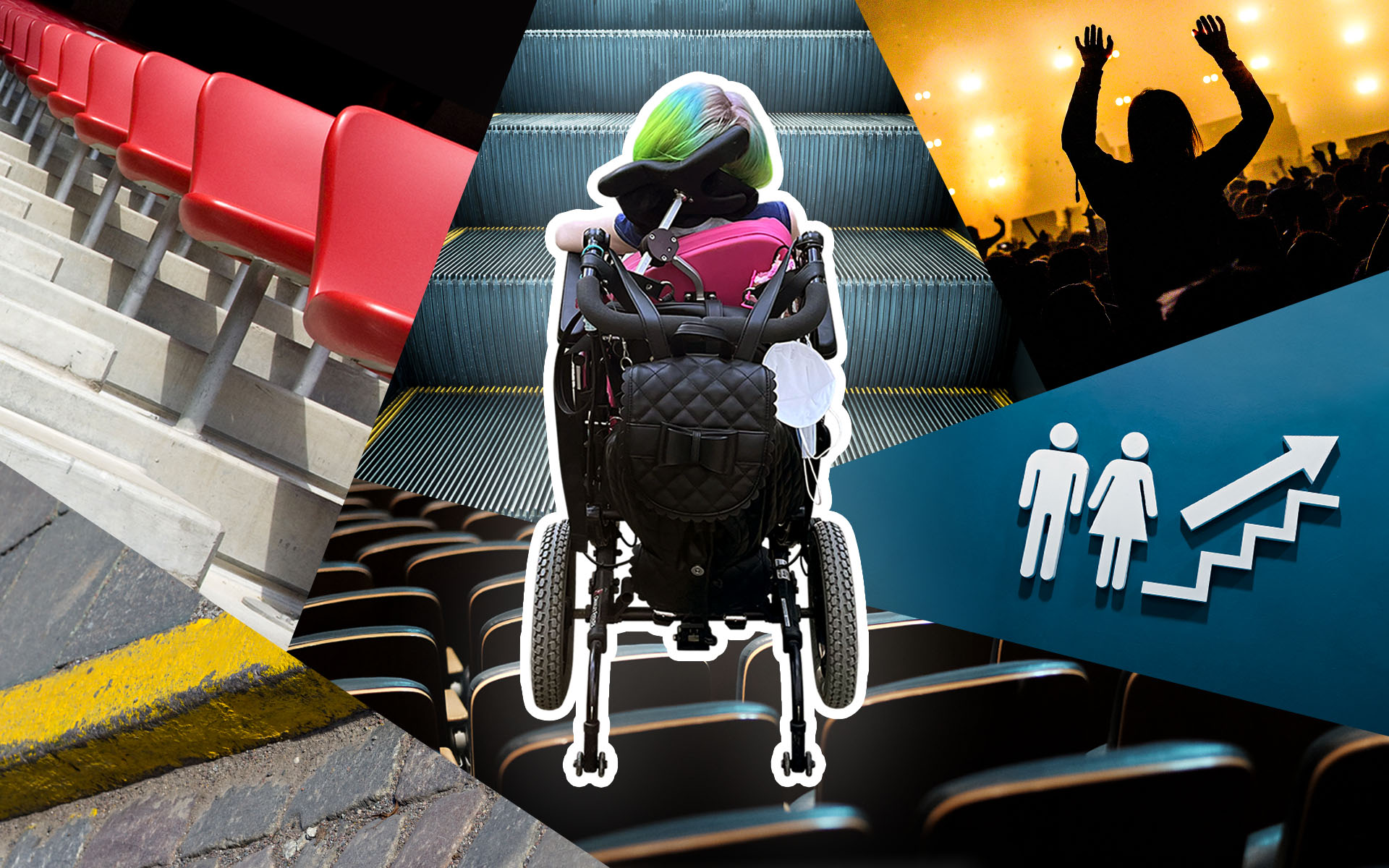
How Venues Make Live Music Experiences Truly Inclusive
Live music is more than just entertainment; it's a powerful force that transcends barriers, connects communities, and enriches lives. For many, the thrill of a live performance is a cherished experience, a moment of collective joy and shared emotion. However, for a significant portion of the population, accessing these experiences can be fraught with challenges. This is where the concept of
musica live accessibile – accessible live music – comes into play, a fundamental principle guiding progressive venues in their mission to open their doors to everyone. Ensuring that the joy and transformative power of live music are truly universal requires a conscious, comprehensive effort from venues, embracing both physical accommodations and a culture of genuine inclusivity.
The journey towards creating truly accessible live music experiences goes far beyond simply building a ramp. It involves a holistic approach that considers the diverse needs of all potential patrons, from those with mobility impairments to individuals with sensory sensitivities, cognitive differences, or socio-economic limitations. By prioritizing `musica live accessibile`, venues are not only fulfilling a moral imperative but also expanding their audience, enriching their community, and creating more vibrant, empathetic spaces for all.
Beyond the Stage: What Truly Defines Inclusive Live Music?
The mission statement of an organization like Ravinia, emphasizing the transformative power of music and striving to ensure its accessibility to all, provides a profound starting point. It highlights that the goal isn't just to get people *into* the venue, but to enable them to *fully experience and benefit* from the music. True inclusivity means fostering curiosity, connecting people, and creating memorable experiences regardless of individual circumstances. When we talk about `musica live accessibile`, we're discussing an experience where every patron feels welcomed, respected, and empowered to engage with the performance and the community around them.
This expansive definition of accessibility encompasses several key dimensions:
- Physical Accessibility: Ensuring easy navigation for individuals using wheelchairs, scooters, or other mobility aids. This includes entrance and exit routes, seating, restrooms, and concession stands.
- Sensory Accessibility: Addressing the needs of individuals with sensitivities to light, sound, or crowds, as well as those with hearing or visual impairments.
- Cognitive & Social Accessibility: Creating environments that are welcoming and understandable for individuals with cognitive differences, reducing anxiety, and fostering a sense of belonging for everyone, free from discrimination.
- Economic Accessibility: Making sure that the cost of attendance is not a barrier for individuals or families with limited financial resources.
An inclusive venue understands that these dimensions are interconnected and require a multi-faceted approach. It's about designing spaces and policies with empathy at their core, ensuring that no one is left behind in the pursuit of musical joy. This commitment to
enriching lives through accessible live music forms the backbone of any truly inclusive program.
Pillars of Accessibility: Designing Venues for Everyone
Modern venues committed to `musica live accessibile` are meticulously designed and continually adapted to remove barriers. This dedication goes into every facet of the patron experience.
Physical Accessibility: Navigating the Space
The most recognized aspect of accessibility often begins with the physical environment. Venues are implementing:
- Ramps and Elevators: Ensuring seamless transitions between different levels of the venue, including stages for performers with disabilities.
- Accessible Seating: Designated spaces for wheelchairs and companion seating, strategically located to offer excellent sightlines without feeling segregated. These areas should be integrated within general seating where possible, fostering a sense of community.
- Accessible Restrooms: Spacious stalls, grab bars, and accessible sinks are standard requirements.
- Parking & Drop-off Zones: Clearly marked accessible parking spaces and designated drop-off areas close to entrances.
- Clear Pathways: Unobstructed routes throughout the venue, free from clutter or sudden changes in elevation.
Sensory Accessibility: Engaging All Senses Thoughtfully
Beyond physical movement, venues are increasingly focusing on sensory experiences:
- Assistive Listening Devices (ALDs): Offering devices that amplify sound for individuals with hearing impairments. Some venues are exploring t-coil compatibility for hearing aids.
- Audio Description & Tactile Tours: Providing verbal descriptions of visual elements for patrons with visual impairments, and pre-show tactile experiences of the stage and instruments.
- ASL Interpreters: For select performances, sign language interpreters can provide access for deaf and hard-of-hearing audience members.
- Quiet Spaces & Sensory Kits: Designating calm areas away from the main performance for individuals needing a break from overstimulation, along with offering sensory kits (fidget toys, noise-cancelling headphones) upon request.
- Sensory-Friendly Performances: Adapting lighting, sound levels, and crowd capacity for specific shows to cater to individuals with sensory processing sensitivities.
Cognitive & Social Accessibility: Fostering a Welcoming Atmosphere
True inclusivity extends to how people feel within a space:
- Trained Staff: Front-of-house staff receive comprehensive training in disability awareness, etiquette, and emergency procedures, ensuring they can provide respectful and effective assistance.
- Clear Communication: Accessible website design, large print materials, and simple, concise signage help patrons navigate and understand information.
- Relaxed Performances: Offering shows with a more relaxed attitude to noise and movement in the audience, often without significant changes to the performance itself, making it suitable for individuals who may find traditional theatre environments challenging.
- Companion Ticketing & Policies: Providing free or reduced-price tickets for essential companions, acknowledging their vital role in enabling attendance.
- Anti-Discrimination Policies: Clearly stated policies that protect and celebrate diversity in all its forms, ensuring a safe and respectful environment for every patron.
For an in-depth look at how specific institutions champion these efforts, one might explore
Ravinia: Ensuring Live Music is Accessible to All, which provides a blueprint for comprehensive venue accessibility.
Enriching Lives Through Diverse Programming and Engagement
A commitment to `musica live accessibile` also manifests in the content and outreach of a venue. It's not just about who can enter, but what experiences are available to them.
Diverse Musical Genres and Performances
The reference to celebrating a multitude of musical genres highlights the importance of offering a broad spectrum of performances. This diversity ensures that the venue caters to varied tastes and cultural backgrounds, increasing its relevance and appeal to a wider audience. Programming can also include:
- Emerging Artists & Local Talent: Showcasing a range of performers, including those from underrepresented communities.
- Collaborative Projects: Partnering with local disability organizations or community groups to co-create performances or workshops.
- Thematic Series: Curating events that explore specific themes related to diversity, inclusion, or social justice through music.
Educational Programs and Professional Training
Ravinia's emphasis on educational programs and professional training is a cornerstone of deep inclusivity. These initiatives can include:
- Music Education for All Ages and Abilities: Workshops, classes, and camps designed to be accessible to individuals with diverse learning styles and physical capabilities.
- Mentorship Programs: Providing opportunities for aspiring musicians with disabilities to gain professional experience and mentorship.
- Staff Training and Development: Ongoing education for all venue personnel, including technical crews, to ensure they understand and can implement accessibility best practices. This also fosters a culture of empathy and proactive support.
Community Engagement and Partnerships
Venues truly committed to `musica live accessibile` actively engage with their wider community:
- Advisory Boards: Establishing accessibility advisory committees, comprising individuals with disabilities and advocates, to provide ongoing feedback and guidance.
- Partnerships with Advocacy Groups: Collaborating with disability rights organizations to leverage their expertise and reach.
- Outreach Programs: Bringing music to hospitals, schools, and community centers, particularly those serving underserved populations.
- Affordable Ticketing and Free Events: Implementing tiered pricing, offering discounts, or hosting free community concerts to ensure financial barriers don't preclude participation. This might include "pay-what-you-can" options or subsidized tickets for specific groups.
These efforts extend the reach of the venue beyond its physical walls, embodying the mission to connect people and foster curiosity through music.
The Road Ahead: Continuous Innovation in Inclusive Music Spaces
The pursuit of `musica live accessibile` is an ongoing journey, not a destination. Venues must remain agile, open to feedback, and willing to innovate.
Leveraging Technology for Greater Access
Technology continues to offer new frontiers for accessibility:
- Augmented Reality (AR) & Virtual Reality (VR): Offering virtual tours of the venue to help patrons familiarize themselves with the space before arrival, reducing anxiety. VR could also provide immersive experiences for those unable to attend in person.
- Mobile Apps: Developing venue-specific apps that provide real-time information on accessible routes, services, and even personalized sensory settings.
- Advanced Assistive Technologies: Exploring technologies like haptic feedback systems for deaf audiences to "feel" the music, or AI-powered captioning for spontaneous dialogue.
Gathering Feedback and Implementing Changes
A truly inclusive venue actively seeks input from its patrons. Mechanisms like anonymous surveys, dedicated accessibility contact points, and regular accessibility audits are crucial for identifying gaps and making continuous improvements. This iterative process ensures that changes are driven by the real-world experiences of the diverse audience the venue aims to serve.
Industry Collaboration and Best Practices
Sharing knowledge and collaborating within the industry can accelerate progress. Conferences, workshops, and industry guidelines focused on `musica live accessibile` help disseminate best practices and foster a collective commitment to inclusivity. This might involve developing universal design principles specifically tailored for performance spaces.
The commitment to ensuring live music is accessible to all is not merely about compliance; it's about embodying the true spirit of music itself – a universal language that should resonate with every soul, regardless of their background or ability.
Conclusion
The transformative power of music is a gift that should be available to everyone. Through thoughtful design, diverse programming, dedicated staff training, and an unwavering commitment to genuine inclusivity, venues are redefining what it means to experience live music. From ramps and quiet spaces to ASL interpreters and community engagement, every effort to foster `musica live accessibile` contributes to a richer, more vibrant cultural landscape. As venues continue to innovate and prioritize the needs of all patrons, they are not just hosting concerts; they are building bridges, connecting communities, and ensuring that the joy and profound impact of live music truly remain accessible to all. The future of live music is inclusive, and its melody is for everyone.