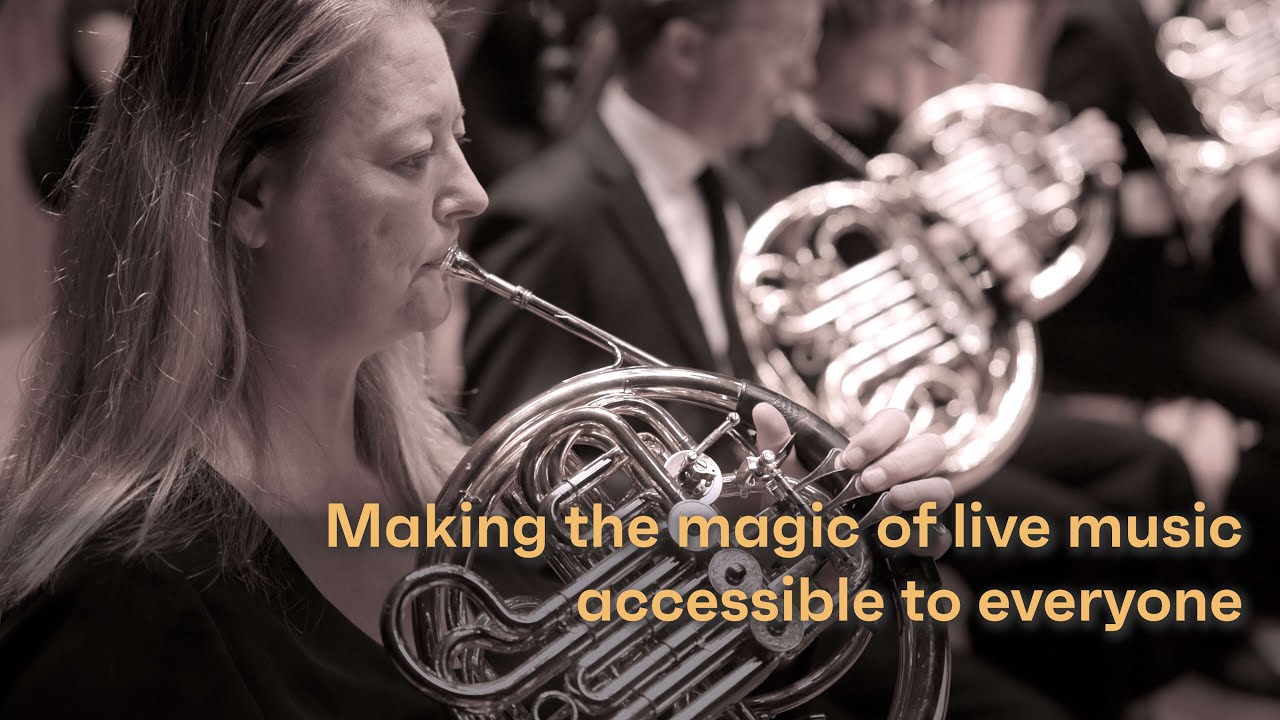
Enriching Lives: The Mission of Accessible Live Music
Music, in its purest form, is a universal language that transcends boundaries, evokes deep emotions, and fosters profound connections. The experience of live music, in particular, offers an unparalleled opportunity for communal joy, shared energy, and artistic appreciation. Yet, for many, the transformative power of a live performance remains out of reach due to various barriers. This is where the vital mission of musica live accessibile – accessible live music – comes into sharp focus: to ensure that the enriching experience of music is truly available to all, regardless of their background, ability, or circumstances.
The vision of a world where everyone can partake in the magic of a concert is not merely idealistic; it's a fundamental aspect of building inclusive communities. As championed by leading cultural institutions, the goal is to enrich lives through this transformative power. This commitment extends beyond simply opening doors; it involves a holistic approach to creating environments where every individual feels welcome, valued, and fully able to engage with the art form. From the grand classical symphony to the vibrant beat of a contemporary pop concert, the journey towards true accessibility is a testament to music's capacity to unite and uplift.
The Transformative Power of Accessible Live Music
At its core, live music is a potent catalyst for personal and communal growth. It’s an experience that can ignite curiosity, connect diverse groups of people, and create lasting memories. When we talk about Ravinia: Ensuring Live Music is Accessible to All, we are referring to a philosophy that recognizes music's capacity to:
- Inspire and Educate: Live performances are powerful educational tools, introducing audiences to new genres, cultures, and artistic expressions. Accessible programs, including those for professional training and educational outreach, ensure that this inspiration extends to budding musicians and future audiences alike.
- Foster Connection: Sharing a musical experience can forge bonds between strangers, strengthening community ties. An accessible event ensures that more people can participate in this collective moment of joy and understanding.
- Promote Well-being: Research consistently shows the positive impact of music on mental and emotional health. Access to live music can reduce stress, alleviate feelings of isolation, and provide a much-needed emotional outlet.
- Celebrate Diversity: By embracing a multitude of musical genres and artists, accessible venues reflect and celebrate the rich tapestry of human culture, making the live music experience more relevant and appealing to a broader audience.
The mission is clear: to create memorable experiences that are not just enjoyed, but truly inclusive. This means moving beyond token gestures and embedding accessibility into the very fabric of how live music events are conceptualized, planned, and executed. The goal of musica live accessibile is not simply to accommodate, but to integrate and empower.
Breaking Down Barriers: What "Musica Live Accessibile" Truly Means
Achieving comprehensive accessibility requires a multifaceted approach, addressing various potential barriers that prevent individuals from enjoying live music. It’s about more than just ramps; it’s about a commitment to universal design and empathetic service. Here are some key dimensions of what true musica live accessibile encompasses:
- Physical Accessibility: This is often the first thing people consider. It includes:
- Venue Navigation: Ramps, elevators, clear pathways, accessible restrooms, and designated seating areas for individuals using wheelchairs or with mobility challenges.
- Transportation: Proximity to accessible public transport, designated accessible parking spaces, and safe, well-lit drop-off points.
- Seating: Flexible seating options that allow for different needs, including companion seating and space for service animals.
- Sensory Accessibility: For individuals with sensory sensitivities, crowded and loud environments can be overwhelming. Solutions include:
- Sound and Light Management: Offering quiet spaces or sensory rooms, providing noise-canceling headphones, and communicating in advance about strong lighting effects or sudden loud noises.
- Visual and Auditory Aids: Sign language interpreters (ASL/BSL), audio descriptions for visually impaired patrons, large print materials, assistive listening devices, and closed captions for screen content.
- Scent-Free Policies: Minimizing strong scents that can trigger reactions in some individuals.
- Cognitive and Intellectual Accessibility: Ensuring that information is easy to understand and environments are not overly complex.
- Clear Communication: Using plain language in event descriptions, signage, and online information.
- Structured Experiences: Offering pre-visit guides, visual schedules, or social stories to help prepare attendees for the experience.
- Trained Staff: Personnel who are sensitive to diverse needs and trained to provide support without being intrusive.
- Financial Accessibility: The cost of tickets, transportation, and associated expenses can be prohibitive.
- Affordable Ticketing: Offering discounted tickets, pay-what-you-can options, or free community concerts.
- Membership/Subscription Flexibility: Tiered pricing or subsidized options for memberships.
- Digital Accessibility: In today's digital age, access begins online.
- Website Compliance: Ensuring websites and ticketing platforms meet WCAG (Web Content Accessibility Guidelines) standards, offering screen reader compatibility, clear navigation, and keyboard accessibility.
- Virtual Events: Providing high-quality streamed performances with captions, audio descriptions, and interactive elements.
- Social and Cultural Accessibility: Creating an environment where everyone feels psychologically safe and culturally respected.
- Diverse Programming: Reflecting a wide range of musical genres and cultural backgrounds in performances.
- Inclusive Marketing: Ensuring marketing materials represent diverse audiences.
- Safe Spaces: Promoting a culture of respect and zero tolerance for discrimination.
Practical Steps for Venues and Organizers to Enhance Accessibility
Implementing musica live accessibile is an ongoing journey that requires commitment, creativity, and continuous evaluation. Here are actionable steps venues and event organizers can take:
- Conduct Accessibility Audits: Regularly assess your physical space, digital platforms, and operational procedures for accessibility gaps. Involve people with diverse disabilities in this process; their lived experience is invaluable.
- Invest in Staff Training: Equip all staff members, from ushers to management, with disability awareness training. This should cover etiquette, communication strategies, and practical assistance.
- Prioritize Inclusive Design: When renovating or building new spaces, integrate accessibility from the ground up rather than as an afterthought. This often results in more elegant and effective solutions for everyone. This aligns perfectly with the insights shared in How Venues Make Live Music Experiences Truly Inclusive.
- Offer Varied Communication Channels: Ensure information about accessibility features is readily available on your website, ticketing platforms, and at the venue, in multiple formats if possible.
- Embrace Technology: Utilize apps for wayfinding, augmented reality for sensory enhancements, or live streaming with interactive features to broaden reach.
- Engage with Disability Advocacy Groups: Collaborate with local organizations to understand community needs, gather feedback, and promote events to relevant audiences.
- Pilot and Iterate: Start with specific accessible programs or features, gather feedback, and continuously refine your approach. Accessibility is an evolving standard.
- Allocate Dedicated Budgets: Recognize that accessibility is an investment, not an expense. Integrate it into your financial planning.
The Broader Impact: Building Inclusive Communities Through Music
The commitment to musica live accessibile extends far beyond individual enjoyment; it plays a crucial role in building stronger, more empathetic, and truly inclusive communities. When live music events are accessible, they become powerful platforms for social cohesion. They bring together people from different walks of life, fostering mutual understanding and breaking down societal barriers.
Educational programs and professional training, as highlighted by leading institutions, also benefit immensely from an accessibility-first approach. By making these opportunities available to a broader spectrum of aspiring musicians and arts professionals, the entire industry becomes more diverse, innovative, and reflective of society. This cultivates future generations who not only appreciate music but are also equipped to contribute to its ongoing evolution, ensuring that the joy of live music remains a vibrant and evolving force for good.
Ultimately, investing in accessibility is an investment in human dignity and collective well-being. It sends a powerful message that every voice, every experience, and every person matters. It transforms a simple concert into a shared journey, enriching lives in ways that resonate long after the final note fades.
Conclusion
The mission to ensure musica live accessibile is a testament to the profound and universal value of music. It’s a call to action for venues, artists, organizers, and audiences alike to champion inclusivity, break down barriers, and expand the circle of those who can experience the unparalleled magic of live performance. By embracing a holistic approach to accessibility – addressing physical, sensory, cognitive, financial, and digital needs – we not only enrich individual lives but also cultivate more vibrant, connected, and compassionate communities. Let us continue to strive for a future where the joy, inspiration, and transformative power of live music are truly accessible to all, making every melody a shared experience.